Food waste tips from an expert
Each person wastes on average an incredible 312 kilograms of food every year! Avoiding food waste from the start can save you a lot of money and can significantly reduce both what's in your red landfill bin and its smell.
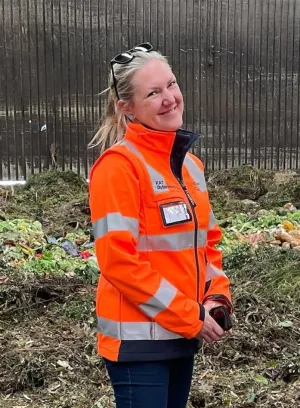
We spoke to Kat from the Sustainable Waste Services team – and the City officer behind our Lara Food Waste Trial - about easy tips to tackle food waste at home.
Food waste tips
Understand the difference between ‘Use By’ and ‘Best Before’ food labels
Confusion around these two labels is one of the biggest causes of unnecessary food waste globally, with many people throwing away perfectly good and safe to eat food.
Use By is the important date to pay attention to. This date only appears on a small range of foods such as meat and seafood. Food past this date should never be eaten and should be disposed of.
Best Before is simply a guide to when the food is at its freshest or highest quality. This label actually appears on most food items from vegetables to cheese and biscuits. If this date has passed, the food is usually completely fine to eat, often for days or even months later, so should not be thrown away. Use your eyes and a nose as a guide – if there is no mould or bad smell, then it is usually fine to eat.
To read more about this visit Food Standards Australia New Zealand.
Kat's challenge: Make a habit of checking food date labels carefully to determine if it says use by or best before.- Never waste good leftovers!
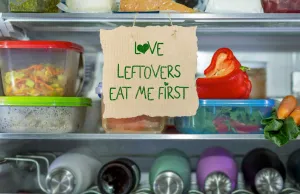
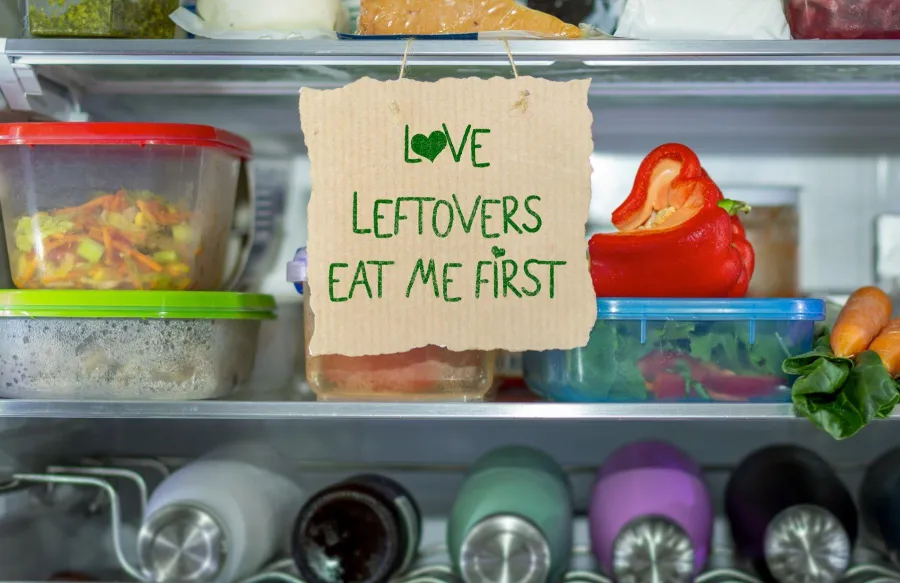
Whether it’s a festive occasion or a big dinner party, always plan to make use of your leftovers. You’ll waste less, save money and help protect the environment.
There are endless exciting solutions for leftovers out there – and we don’t mean just sandwiches. Kat recommends these tips from our friends at Sustainability Victoria:- Make croutons from stale bread to add crunch to a salad or soup or whizz it up into breadcrumbs (use in schnitzels, meatballs or vegetable bakes).
- Use roast meats or deli meats and cheeses to make a tasty toastie.
- Toss chopped vegetables into a simple stir-fry or hearty stew.
- Blend overripe fruits into a smoothie or use them for baking.
Make sure you're storing your food correctly
Storing food correctly keeps it fresher for longer. Sustainability Victoria (SV) has two great resources to help here:
- SVs Tips for food storage – which gives a great reminder of how to best use the freezer, fridge and pantry to reduce waste and increase the life of the food item. Some examples: leftover rice and pasta freezes well, and yoghurt can be frozen with juice to make healthy ice lollies.
- SVs Guide for storing fresh produce is also fantastic - an A to Z list of all fresh produce, where to store them, their shelf life and a tip for keeping them fresh longer. Good tips include only washing berries right before eating to prevent mould, and freshening up broccoli by dipping the stems in water.
Kat's challenge: Think about the types of food that go bad in your fridge most often, and look them up in Sustainability Victoria’s directory to make sure you’re storing them correctly.- Make meal planning a whole-family responsibility
Meal planning can feel like a chore, but you can make it interesting by involving the whole family. This will save time, money and prevent unnecessary food waste – especially if you do it before you go food shopping. Everyone in the household will have meal ideas and it can be a lot of fun!
Tips to get you started:- Try to base the meals on what is in the pantry, fridge, growing in the garden, and what is in season.
- Many people use a stick up reusable meal planner that can fit nicely on the fridge or on the back of the pantry door – or Sustainability Victoria have a helpful guide to meal plan and shopping list apps.
- There are lots of ideas on the internet to help you get started – do a quick internet search for “meal plan ideas” and prepare to discover new delicious recipes to add to your rotation.
- Start composting at home.
Whether it’s a small bokashi unit or an in-ground pet poo composter, composting is a great way to reduce the food waste you might not be able to help.
Check out what’s available and get a big discount when you purchase through our subsidised home composting program, supported by local composting experts Wormlovers. Not sure which product is right for you? For help getting started, choosing a product, or troubleshooting simply email [email protected].
Food waste leftovers 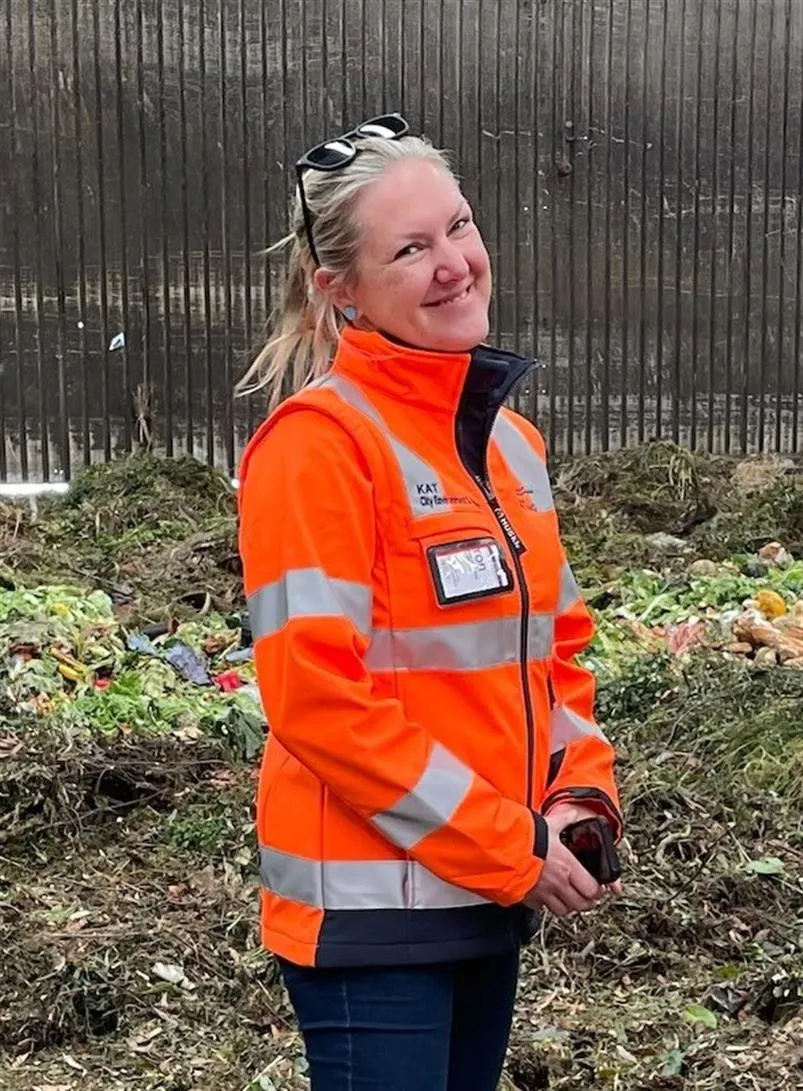
Food waste expert - Kat