Our region's attractive lifestyle continues to drive strong population growth and economic activity. Growth increases demand for services, community infrastructure and transport.
Future planning
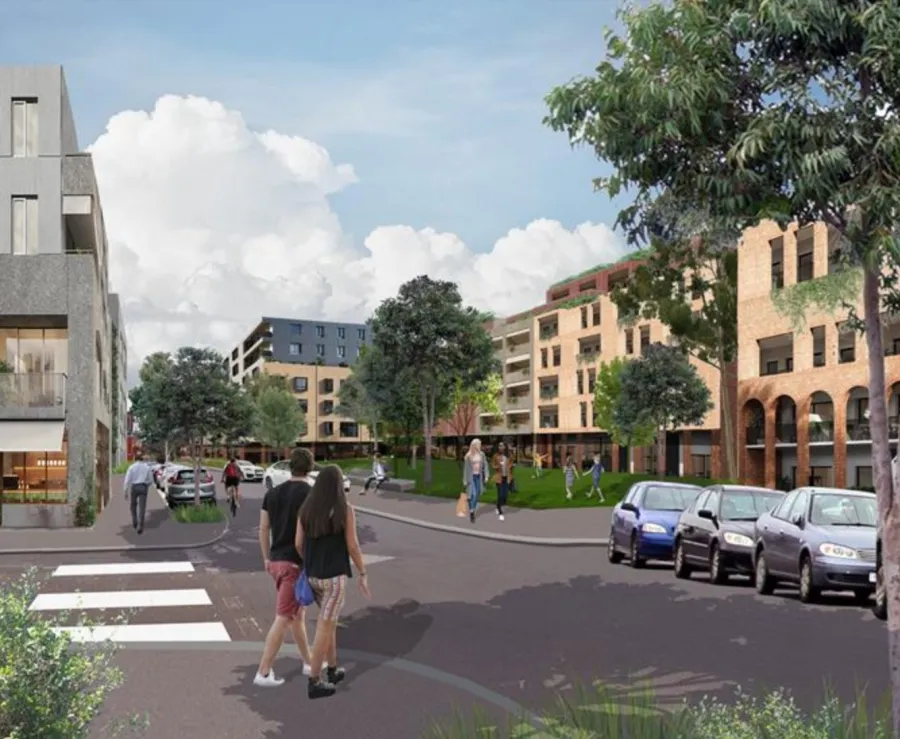
Planning through projects
The growth and future direction of our region is set and achieved through strategic planning projects. These projects are how Greater Geelong grows and changes over time. It helps balance growth with the protection of our environment, heritage and community character.
It identifies future needs, guides development in our towns and renewal areas, and puts the right planning controls in place to support these outcomes.
These plans are delivered through the Greater Geelong Planning Scheme, supported by documents such as structure plans, master plans and design guidelines.
Current strategic planning projects
Completed strategic planning projects
- Municipal Heritage Strategy
- Avalon Airport Master Plan 2015
- Barwon Heads Structure Plan 2017
- Barwon Heads Urban Design Framework 2003
- Central Geelong Structure Plan 2007
- Drysdale Clifton Springs Structure Plan 2010
- Drysdale Town Centre Urban Design Framework 2012
- Geelong Port Structure Plan 2007
- Indented Head Structure Plan 2016
- Lara Structure Plan 2011
- Lara Town Centre Urban Design Framework 2006
- Leopold Structure Plan 2011 (Amended Jan 2013)
- Leopold Sub-Regional Activity Centre - Urban Design Framework September 2011
- Ocean Grove Structure Plan 2007
- Ocean Grove Town Centre Urban Design Framework 2014
- Pakington Street North Urban Design Guidelines 2004
- Point Lonsdale Structure Plan 2009
- Portarlington Structure Plan Adopted Sept 2016 (Amended July 2017)
- Portarlington Urban Design Framework 2011
- Rural Land Use Strategy 2007
- St Leonards Structure Plan 2015
Planning scheme amendments
The Greater Geelong Planning Scheme sets the rules for how land can be used, developed and protected across the municipality.
It includes planning policies, zones and overlays. Zones guide how land is used (such as housing or industry), while overlays manage how development happens (such as building heights, heritage or flood risk).
These rules can be updated through planning scheme amendments. Amendments may apply to one site or across larger areas, and can introduce new plans or policies, respond to issues, or improve how the scheme works.
How strategic planning is implemented
Strategic planning is managed though mechanisms that balance the need for progress, installation of necessary amenities, and preservation of our unique regional character.
Structure plans help us to:
- provide certainty for residents and landowners regarding the future land use planning for a place
- ensure land supply and housing mix can meet the needs of a growing population
- identify opportunities for key strategic sites
- protect and enhance significant environmental landscape or neighbourhood character areas
- influence the future provision of infrastructure and services
- determine the application of local planning policies planning zones and overlays
- guide consideration of rezonings and applications for planning permits.
To guide and facilitate urban growth across the municipality we have implemented development contributions plans (DCP's) across various growth areas ensuring these growing communities are provided with essential transport drainage community and recreation infrastructure.
Growth area planning focuses on greenfield development and land use as a solution to population growth.
Community participation and feedback
The community has an opportunity to participate and comment on our strategic planning work.
This is done informally during the development of the projects and formally at the planning scheme amendment stage when the policy or document is introduced into the Greater Geelong Planning Scheme.
Page last updated: