Can rubbish in your garden help native wildlife? That’s the question we asked environmentalist Naomi from not for profit Bellarine Catchment Network (BCN).
From Rubbish to Ribbits: Transforming Your Garden into a Wildlife Haven
As our landscapes become more urban, backyards can become vital refuges for native wildlife including frogs, lizards and birds. Naomi tells us how, with very little effort, simple items from your bin can be repurposed to turn your garden into a wildlife sanctuary.
Creating shelters for little creatures
Naomi’s first tip is to look to the start of the food chain – smaller creatures like native bees, frogs and lizards that support the rest of the ecosystem.
Frogs and lizards in particular need moist and sheltered spots to thrive, and this is where the items in your bin come in!
- Stack broken terracotta or plastic pots to create damp, sheltered hideouts. If you’re worried about snakes, build smaller shelters away from long grass – what suits a frog or lizard will be too cramped for a snake.
- Frogs are vulnerable to chytrid fungus, which is spread through infected fresh water and contact with other frogs. Thankfully there is an easy fix for this – old bricks can become instant frog saunas, which can help species like the Growling Grass Frog combat chytrid fungus by giving them a spot to dry out.
- Don’t throw out old logs! Native bees and other insects love to burrow into them.
Other waste-wise tips for your garden
- Sheer curtains from op-shops are a great (and cheap!) wildlife-friendly alternative to netting for fruit trees or veggie patches. They can be reused every year and the super fine openings won’t hurt native creatures.
- Choose indigenous plants like knobby club rush, wallaby grass, and seaberry saltbush which provide excellent cover and food sources.
- Embrace the mess! Your garden doesn’t need to be spotless, in fact, leaf litter, old sticks and logs and other varied textures mimic natural habitats.
- Before buying new gardening supplies, check if your local hardware store (like Mitre 10 or Bunnings) has a recycling bin for old plastic pots where you can help yourself.
Document the wildlife visiting your garden and help scientists
Free apps like iNaturalist let you report and identify the wildlife you see and are actively used by scientists to track where certain species are active.
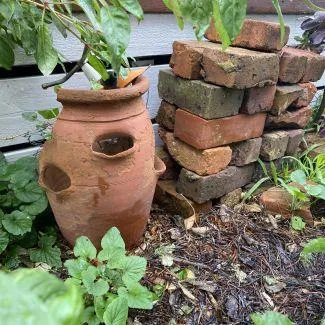
Broken pots and bricks in a garden 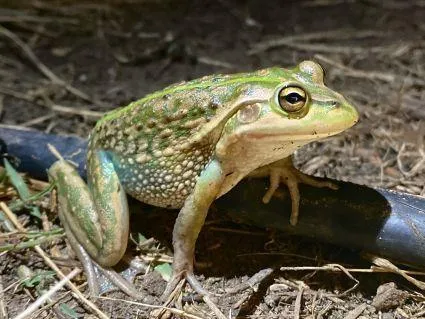
Growling Grass Frog
Click on an image to view details and enlarge
Page last updated: