The Victorian Grassland Earless Dragon was widely believed to be extinct and had not been seen in Victoria for over 50 years.
Victorian Grassland Earless Dragon
The Victorian Grassland Earless Dragon is listed as critically endangered on the Environment Protection & Biodiversity Conservation (EPBC) Act 1999.
Recently the Victorian Grassland Earless Dragon was rediscovered in Western Melbourne.
Preferred habitat for this species is grasslands located between Melbourne and Geelong.
The Northern and Western Geelong Growth Areas (NWGGA) is a location identified as likely habitat for the Victorian Grassland Earless Dragon. You can read more in the Draft National Recovery Plan for Four Grassland Earless Dragons (Tympanocryptis spp.) of Southeast Australia document.
Victorian Grassland Earless Dragon individuals are difficult to find in the landscape even with targeted survey efforts, therefore regulators have advised the City it needs to assume presence of the species in areas of likely habitat.
Species distribution information is important in the conservation of this species, which involves better understanding species habitat requirements and surveying probable locations based on suitable habitat in Victoria.
Melbourne Zoo have recently been successful in breeding 26 hatchlings. These dragons are part of the first successful breeding program for the species which is made up of 16 male and 13 female dragons collected from the wild after their rediscovery earlier this year. The captively bred Dragons will eventually be released back into areas of natural habitat.
The recovery, breeding and protection of the dragon is essential to the survival of the species.
Large and connected habitat areas will be important for recovery of the species.
Conservation efforts currently underway include development of a conservation plan, undertaking surveys in a bid to find new habitat and more populations, and genetics research to support further discoveries.
The NWGGA project is one of the most advanced in establishing a strategic response to species conservation.
Demonstrated commitments to the species recovery program will be critical for projects needing approval from the Commonwealth Department of Climate Change, Energy the Environment & Water (DCCEEW).
Habitat mapping and targeted surveys are required to better understand implications for the NWGGA and will be undertaken between February and April 2024 in areas included in the Part 10 EPBC Strategic Assessment.
Findings from the surveys and mapping in 2024 will be used along with submissions to the draft EPBC Plan to finalise the conservation areas, biodiversity conservation strategy and EPBC Strategic Assessment, before it is submitted to state and federal government agencies for approval.
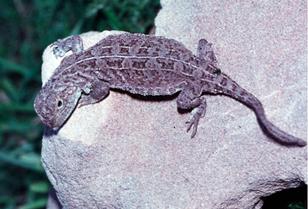
Victorian grassland earless dragon
Page last updated: