Take yourself for a wander through our precious wetlands and waterways and learn more about the many important species that call them home.
Our wetlands and waterways
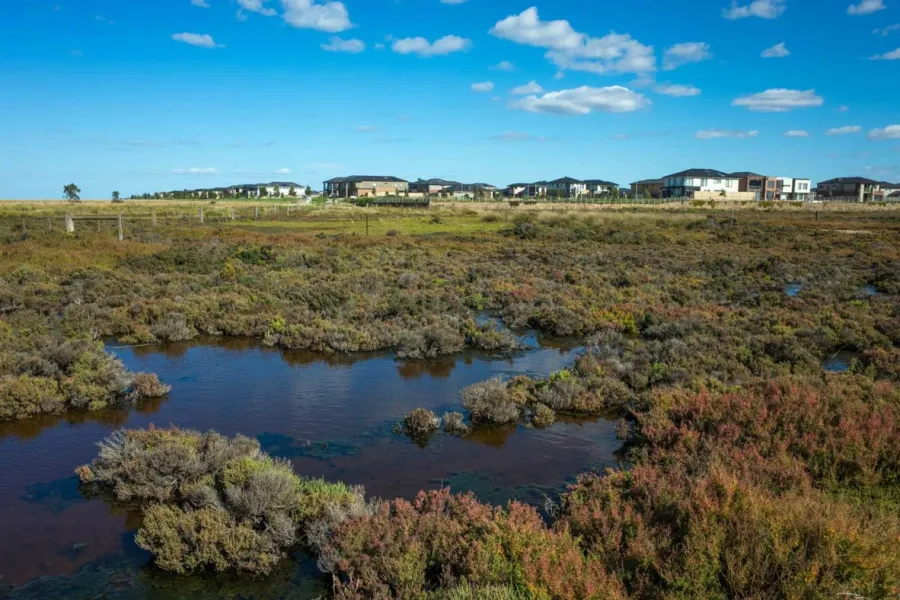
There are over 100 individual wetlands covering a total of 11 630 hectares in the Greater Geelong region.
From coastal and freshwater wetlands to major waterways and smaller creek systems these areas make up a significant part of the total habitat remaining in the Geelong area.
Three of our wetlands are internationally - recognised under the Ramsar Convention (Avalon Beach, Limeburners Bay, Swan Bay) but all support a diverse range of plants birds and other animals including a number of rare or threatened species.
Each of the sites we've chosen to feature as part of our wetland wanderings are suitable for day trips school excursions and self - guided tours.
Click on the relevant wetland to find out more:
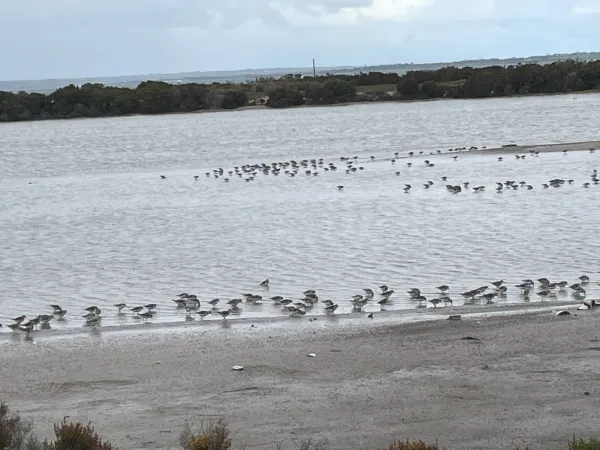
Avalon Beach
Avalon Beach lies on the north side of Corio Bay and faces due south. There is a foreshore reserve, a boat ramp suitable for shallow draft vessels, an amenities block and a number of fishing shacks along the foreshore road.
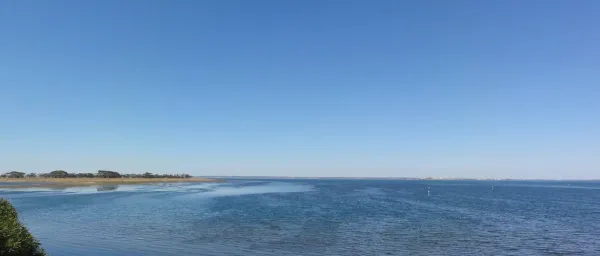
Limeburners Lagoon State Nature Reserve
Wadawurrung Country_x000D_
150-200 Foreshore Road, Corio
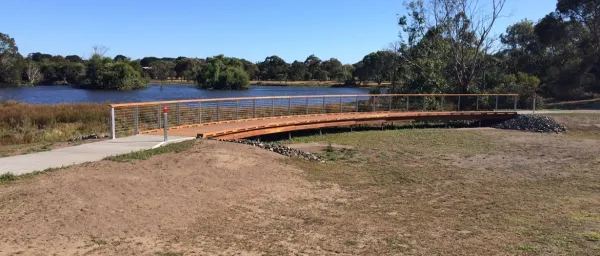
Lake Lorne Reserve and Wetland
Located on the urban edge of Drysdale, Lake Lorne is a great place to visit get a close look at a wetland environment.
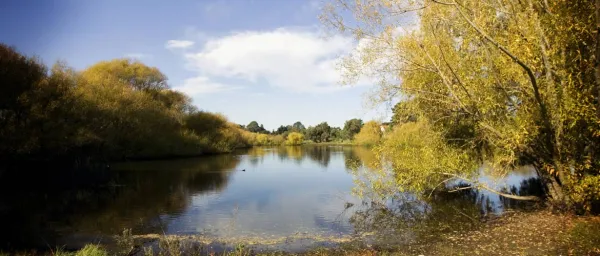
McLeods Waterhole Reserve
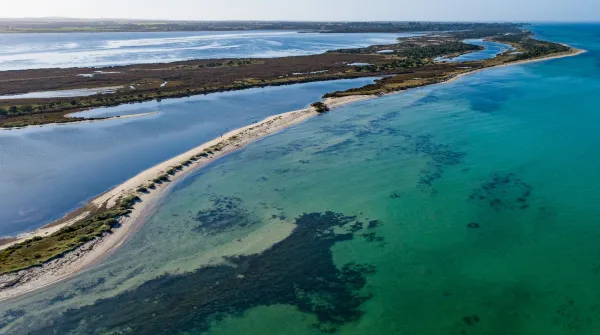
Swan Bay
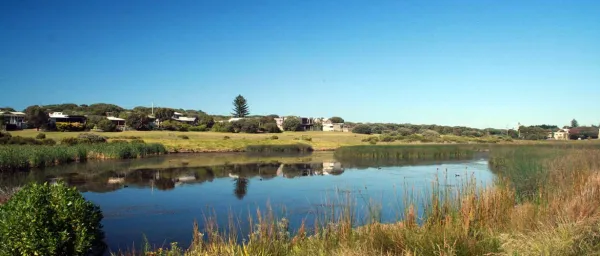
Begola Wetlands
Begola Wetland is part of a natural drainage system that runs for 7 kms from west-to-east, behind the coastal sand dunes, through to Swan Bay. The wetlands are unique as they sit between two distinctly different landforms and soil types.
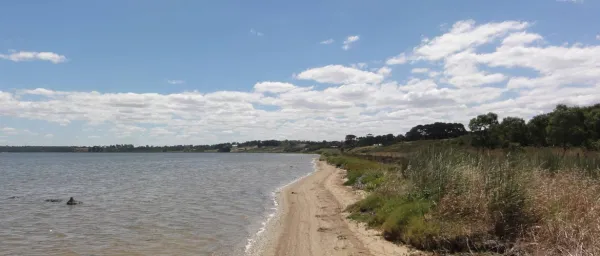
Lake Connewarre Game Reserve
Managed by Parks Victoria, the Lake Connewarre State Game Reserve is one of Victoria’s most significant wetland areas and one of the largest estuaries in the state.
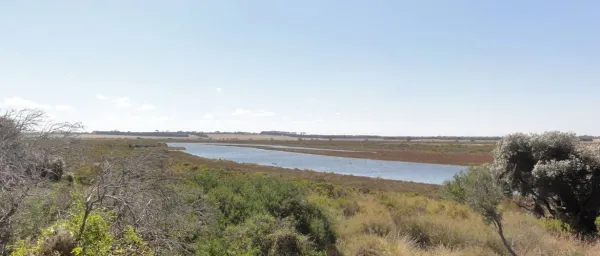
Breamlea Flora and Fauna Reserve
Wadawurrung Country - _x000D_
84 Horwood Drive, Breamlea
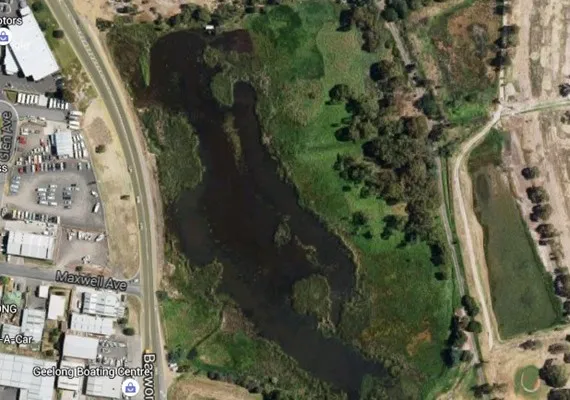
Jerringot Wetland
Jerringot is a Wadawurrung word that means ‘water all around’ or ‘place of billabongs’ and was a camping ground and meeting place of Wadawurrung people.
Other helpful information
When visiting wetlands...
- Keep 200 metres away from roosting breeding or feeding birds.
- Keep dogs on a lead and away from bird areas and clean up after them.
- Don't trample plants as coastal and wetland plants are easily damaged and can take many years to recover.
- Don't leave any rubbish behind as it will pollute the wetland and can directly kill or injure wildlife.
Page last updated: