Soft plastics don't belong in your recycling bin
At home, put soft plastics in your red bin. They cannot be recycled in your yellow bin. In fact, they jam the sorting machines at recycling facilities and make it harder and more expensive to recycle everything else.
How to recycle soft plastics
Woolworths has recently started its soft plastics recycling program again. Only some Woolworths stores have soft plastics recycling drop offs, so check their website before you visit.
Reduce soft plastics where you can
Reducing is always better than recycling where possible. Not only does this save resources, but it sends a message to soft plastics manufacturers to make less of them.
Start by going through the soft plastics you've recently collected to assess the main soft plastic 'culprits' in your household. Make a list of these then go online to seek alternatives, or use some of these tips:
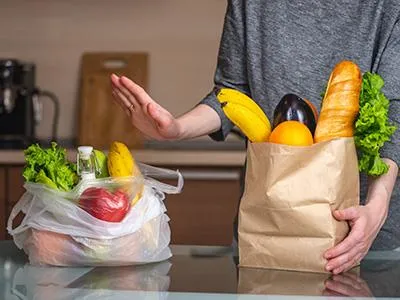
- Choose loose fruit and vegetables over pre - bagged items.
- Bring reusable shopping bags for every trip to the shops – whether it be at the supermarket or the local department store.
- Purchase food from markets and wholefoods stores where you can use your own containers.
- Request a paper bag for your bread at the bakery and transfer it into a cloth or linen bag when you get home, or the freezer.
- Always choose reusable containers for storing food in your fridge or freezer – not ziplock or freezer bags (unless you're reusing bags you've collected from elsewhere).
- If you have certain soft plastics you can't avoid, reuse them for another purpose – for example, as bin liners, to collect dog poo, or for general storage.
Use your consumer power
Soft plastics are used in so much of what we buy, and it is often very difficult for us as consumers to avoid them. As such, we need to push back on manufacturers to find better packaging alternatives wherever possible.
Here's some great ways to exercise your consumer power:
- Vote with your dollar by avoiding products packaged in soft plastics if there is an alternative.
- Email supermarkets and manufacturers about products that are either unnecessarily packaged in soft plastics, or for which there are better packaging alternatives.
- As online shopping often comes in soft plastics, look for goods locally instead, or ask the online supplier how the goods will be packaged before you purchase.
Reader ideas
We asked our Rethink Your Rubbish subscribers for their tips on better managing soft plastics and these were some of their responses:
- Keep a set of collapsible plastic crates in the car boot as they are great for protecting shopping from damage and are endlessly reusable.
- Take your own bags when purchasing loose fruit and vegetables.
- Use reusable plastic tubs to purchase garden mix from local soil suppliers instead of buying it in plastic bags.
- Write to your local politician, or environment minister, and encourage them to do something to address soft plastics.
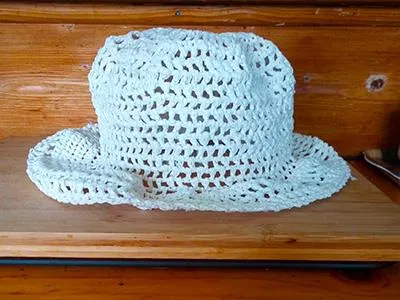
- If you're crafty, create plarn (plastic yarn) by cutting non - biodegradable bread bags into long strips then crochet this into useful items such as hats for the beach (see photo).
Got other ideas?
If you have other ideas you think we should add to this list please email us.