The City of Greater Geelong is raising awareness of increased mosquito activity across the region following an unusually early start to the mosquito breeding season, with higher mosquito numbers being reported.
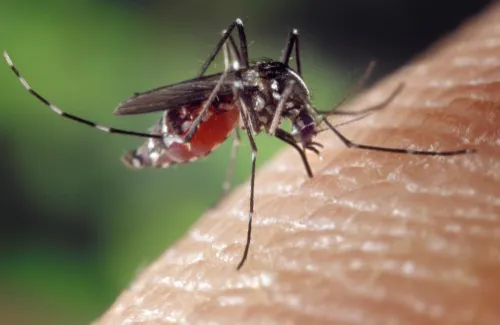
Rainfall, tides and above‑average temperatures have created ideal breeding conditions, with mosquito numbers remaining high through winter and expected to stay elevated due to the strong El Niño phase predicted by the Bureau of Meteorology.
Through the City’s mosquito management program, officers continue to trap adult mosquitoes at selected sites to monitor species, numbers and any mosquito‑borne illnesses. If you see a trap, please do not touch it.
The City is conducting both aerial drone treatments and on‑ground treatments to target mosquito larvae before they emerge as adults and fly into populated areas. Treatments are applied only in the larval stage, when they are most effective. The City does not spray or use broad‑based pesticides in its aerial program.
The City is the only council in Victoria conducting in‑house drone treatments, allowing faster response times and reduced costs to ratepayers. Aerial treatments by helicopter were used in the past, but drones now provide a more targeted and efficient method.
Where appropriate, officers are treating Council owned land that poses a risk because of mosquito breeding. We’re also working with other private and state landowners to put practical measures in place to reduce breeding at their properties, including service agreements where suitable.
In April last year, the City received a seven‑year permit from the Australian Government’s Department of Climate Change, Energy, the Environment and Water (DCCEEW) under the Environment Protection and Biodiversity Conservation Act 1999. This permit allows targeted treatments in Ramsar‑listed wetlands – internationally recognised and environmentally sensitive areas where only approved methods can be used.
The City uses Bacillus thuringiensis israelensis (Bti) and s‑Methoprene, solid‑form larvicides approved by the Australian Pesticides and Veterinary Medicines Authority (APVMA). These products are dispersed directly into water.
Aerial drone treatments may also be used outside Ramsar wetlands if larvae detections require it. Ground treatments continue in Corio, Connewarre, the Geelong Botanic Gardens, Lara, Point Lonsdale, St Leonards and Wallington.
Residents and businesses can help reduce mosquito numbers by removing stagnant water sitting outside, clearing gutters, maintaining gardens, overturning boats and mending taps.
To avoid being bitten, wear loose-fitting light coloured clothing and properly apply repellents containing DEET or Picaridin. Mosquitoes are attracted to dark colours.
The Department of Health’s Don’t Wing It campaign also provides practical advice for residents to reduce mosquito breeding and avoid being bitten.
Environment and Circular Economy portfolio chair Councillor Elise Wilkinson:
We’re taking an integrated approach to mosquito management – there isn’t a single solution to tackling mosquitoes.
Our drone and ground treatments are targeted, safe and designed to protect community wellbeing while respecting the environmental significance of our Ramsar wetlands.
Mosquito numbers have been noticeably high across the Bellarine, and it’s been challenging for families and businesses.
The mosquito management program is helping to reduce breeding, but we can all do our part to reduce mosquitoes at our properties.
Gardens, bushes and still water are habitat for mosquitoes. Make sure to regularly empty water from pots and bird baths and similar things around the house and mow your lawn. If everyone does this, it will make a real difference.
Page last updated:
We are glad that you find this page helpful!
Submitting feedback... Please wait.
An error occured! Please try again.
Feedback submitted successfully!
Thank you for your feedback. We value your input and will use it to improve our services.