Our Mosquito Management Program operates to reduce mosquito levels in the community to help reduce the risk of illnesses and protect our health, wellbeing and local environment.
Mosquito management
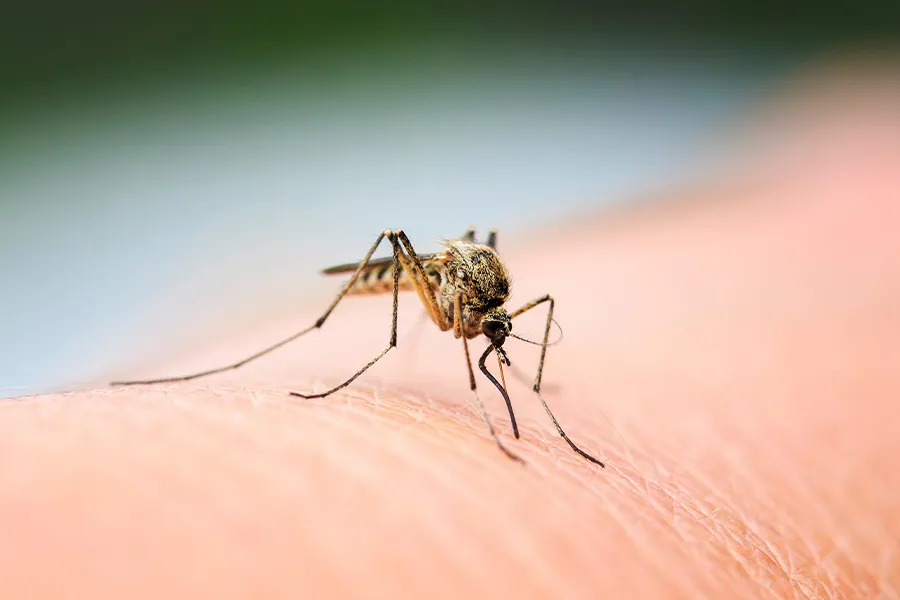
Mosquito numbers are weather dependant; mosquito management officers have recorded unusually high mosquito numbers in the Winter months, with numbers expected to remain high due to the strong El Nino phase predicted by the Bureau of Meteorology.
While our mosquito program aims to reduce mosquito numbers, mosquitoes (also known as mozzies) are natural part of the ecosystem and it’s not possible to make a significant reduction in their population.
What we do
The City was issued with an Environment Protection and Biodiversity Conservation Act permit in late 2025; since this permit approval, the City has been working through other legal requirements to allow our team to utilise an agricultural drone to treat Ramsar wetlands in the region. The team is working with landowners to be able to target Ramsar wetlands for drone treatments.
Our mosquito management officers monitor larval numbers across Greater Geelong throughout the year. We assess and review known and potential breeding sites.
During mosquito season we will apply ground control treatments to drains, dams and easements where it is safe and permitted to do so.
You may see officers flying a large agricultural drone shown below:
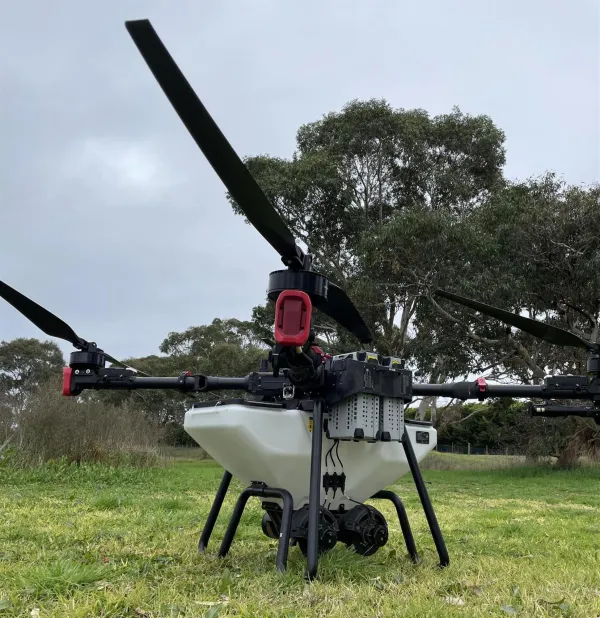
While approved to commence mosquito control treatments, the drone will disperse approved products to areas in Geelong that pose a high risk to residents due to mosquito breeding.
We follow stringent safety precautions, we don’t use broad based pesticides, and we only use approved biological products in our program. People, other animals, and the general environment are not adversely affected by the treatments.
Our drone pilots who will operate the drone have received extensive training and are overseen by the City’s Chief Remote Pilot to ensure all flights are conducted safely. For safety reasons, please don’t approach officers while the drone is in flight. If you have any questions or feedback about the program, Contact the City of Greater Geelong.
The City has been approved for a seven-year permit that allows treatment in wetlands that are designated to be of international importance under the Ramsar convention. The permit was issued by the Federal Government Department of Climate Change, Energy, Environment and Water.
A major part of the permit conditions is to collect data regarding the impacts of the products and use of a drone on the flora, fauna and water quality where the program operates. We will be conducting environmental monitoring in the Ramsar wetlands to ensure our program is not impacting the environment, flora or fauna.
The City is committed to ensuring that the mosquito management program does not negatively impact the environmentally sensitive and internationally protected areas in our region.
Find out more about the City’s submission to the federal government at the links found in related documents at the bottom of this page, or some commonly asked questions and their answers.
The program operates from August to April of each year and is affected by the changes in weather patterns from year to year. Generally, mosquito numbers are low during the winter months, and monitoring and treatment are minimal during this period.
What you can do
You can check your property for possible breeding sites around your home.
You can take simple steps to protect yourself from mosquitoes.
Common Questions
The most common disease carried by mosquitoes in Victoria is Ross River Virus, however, virus's such as Japanese encephalitis (JE), Murray Valley encephalitis (MVE), Barmah Forest (BF) and West Nile (Kunjin) are known to circulate in the state.
Although most mosquitoes in Victoria do not carry diseases and the majority are just a nuisance, the City conducts virological testing of adult mosquito samples with assistance from the Department of Health. This is to ensure that if mosquitoes within Greater Geelong, proper actions can be taken to reduce the risk of transmission to residents.
The best way to reduce your risk of mosquito-borne diseases is to protect yourself against mosquito bites; find out how you can protect yourself and your family at Protecting yourself from mosquitoes or the Department of Health Better Health Channel.
Creams and gels with the active ingredients N,N-Diethyl-m-toluamide (DEET, or diethyltoluamide) or picaridin provide the best protection against mosquito bites.
Most products provide protection for between one and three hours. Follow the label instructions when applying any repellent.
If you swim or sweat profusely, protection will be less and you may need to re-apply.
Visit the Better Health Channel or the Royal Children's Hospital for more information about mosquito repellent use.
Page last updated: