Mosquitoes go through four stages in their life cycle development.
Mosquitoes - life cycle
It normally takes between 7 to 14 days for an egg to develop into an adult if weather conditions are suitable for mosquito development.
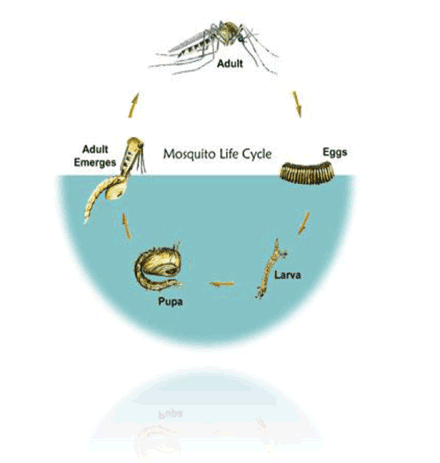
- Egg stage
Eggs are laid on or near the surface of water or on damp soil that will be flooded. Some mosquitoes lay their eggs separately while other lay eggs in rafts of 200 or more. Most eggs hatch within 48 hours.
- Larval stage
Mosquito larvae also known as 'wrigglers ' live in many different types of water (fresh brackish and saltwater). Most Larvae have siphon tubes for breathing and hang from the surface. Larvae go through four growing stages called instars and the fourth instar stage develops into a pupae.
- Pupal stage
The pupal stage is a resting non - feeding phase where the juvenile develops into an adult. Pupae look like little balls in the water. It takes about two days before the adult is formed and development is complete. The pupal skin splits and an adult mosquito emerges.
- Adult stage
The newly emerged adult rests on the surface of the water for a short time to allow its body parts to harden. The wings have to spread out and dry before it can fly.
Common Questions
There are some simple things you can do to avoid mosquito bites:
- Wear light coloured, loose fitting clothes that cover your arms and legs. Mosquitoes are attracted to dark colours
- Use effective mosquito repellents, those containing DEET and picaridin are most effective. Always follow label instructions when applying repellents
- Limit outdoor activity if mosquito levels are high, especially at dawn and dusk when mosquitoes are most active
- Use ‘knockdown’ sprays in outdoor areas
- Ensure windows and doors are fitted with flywire screens
Visit the Better Health Channel for more information.
There are several things you can do to stop mosquitoes breeding around your home.
Please visit the Better Health Channel for more information about protection from mosquitoes.
Page last updated: