The mosquito management program is aimed at reducing mosquito larvae before they emerge as adults and lay eggs.
Mosquito larvae
There are four stages to the mosquito lifecycle.
Adult mosquitoes lay eggs on the water’s surface and hatch into larvae, commonly called wrigglers - they look like little worms wriggling at the water’s surface.
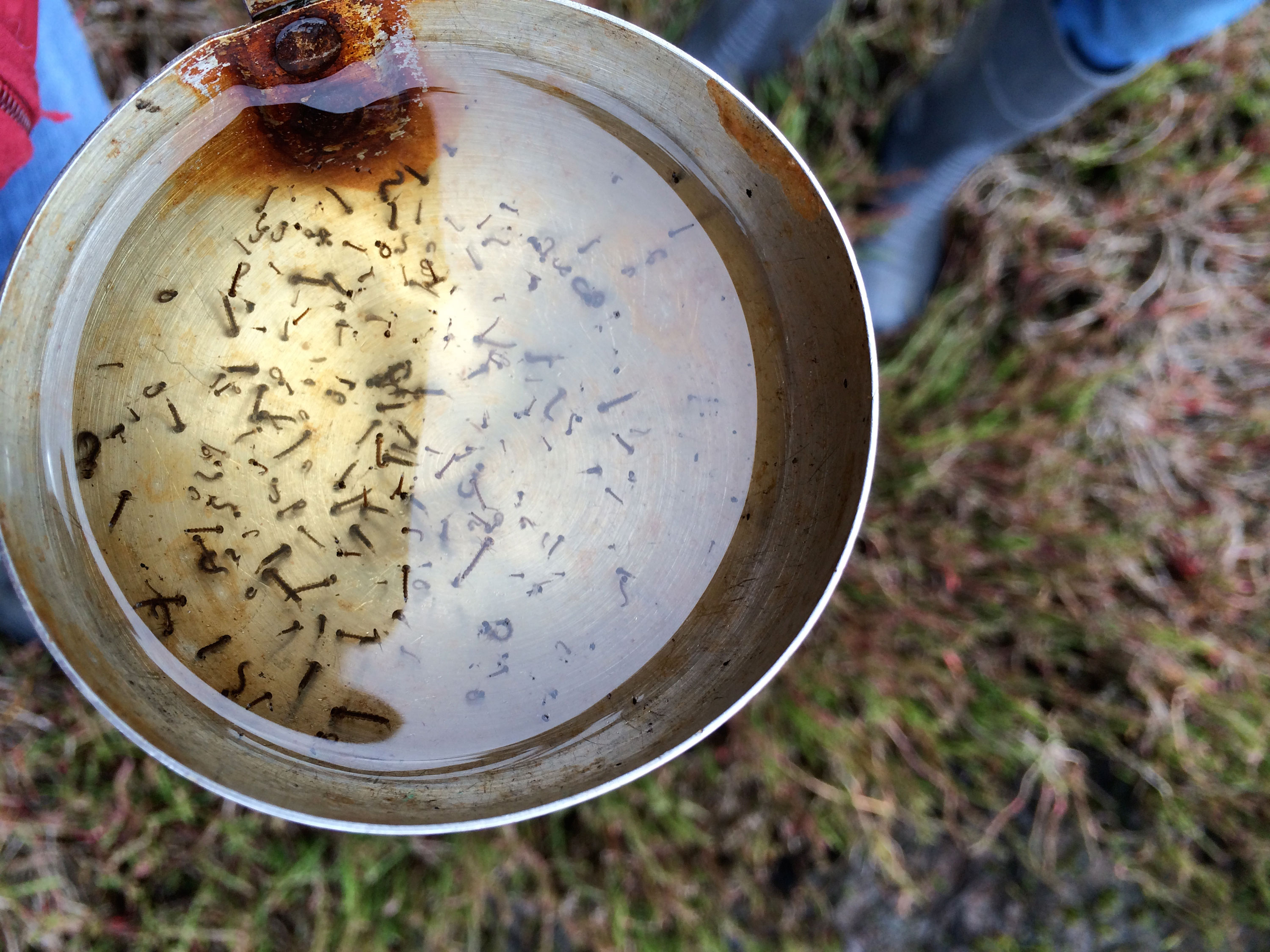
Larvae need stagnant (or still) water to survive. They breathe at the surface of the water through a siphon and feed on plant materials in the water.
Larvae live in water for 7-14 days, depending on the water temperature. They turn into pupae for 1-2 days and then emerge as adult mosquitoes.
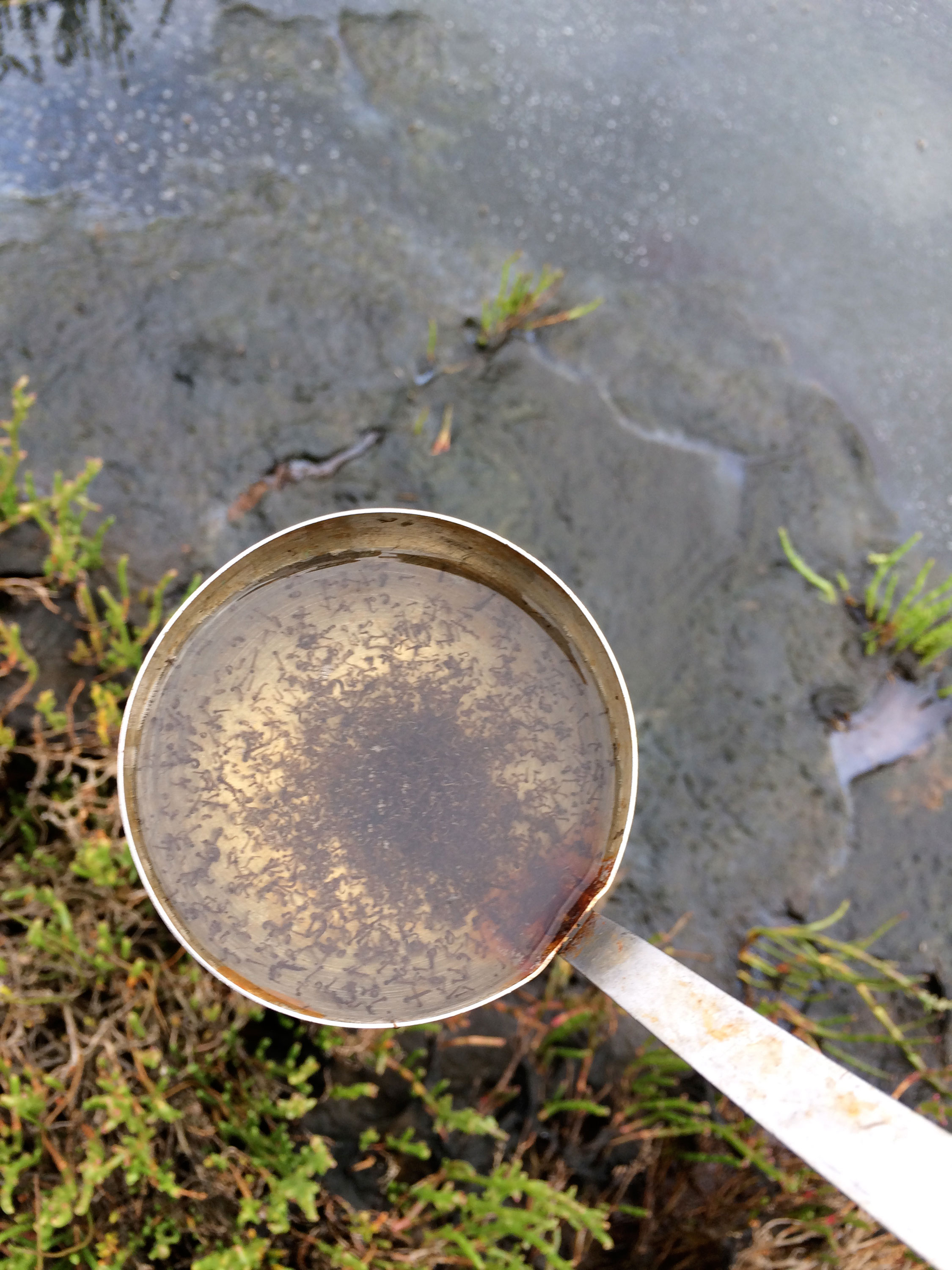
Mosquito management officers check larvae levels by entering the wetlands and dipping in known breeding sites.

Our officers often see heavy infestations of larvae in the wetlands and other waterbodies around Geelong:
Common Questions
There are some simple things you can do to avoid mosquito bites:
- Wear light coloured, loose fitting clothes that cover your arms and legs. Mosquitoes are attracted to dark colours
- Use effective mosquito repellents, those containing DEET and picaridin are most effective. Always follow label instructions when applying repellents
- Limit outdoor activity if mosquito levels are high, especially at dawn and dusk when mosquitoes are most active
- Use ‘knockdown’ sprays in outdoor areas
- Ensure windows and doors are fitted with flywire screens
Visit the Better Health Channel for more information.
There are several things you can do to stop mosquitoes breeding around your home.
Please visit the Better Health Channel for more information about protection from mosquitoes.
Creams and gels with the active ingredients N,N-Diethyl-m-toluamide (DEET, or diethyltoluamide) or picaridin provide the best protection against mosquito bites.
Most products provide protection for between one and three hours. Follow the label instructions when applying any repellent.
If you swim or sweat profusely, protection will be less and you may need to re-apply.
Visit the Better Health Channel or the Royal Children's Hospital for more information about mosquito repellent use.
Page last updated: