Light trapping is one way we monitor mosquito levels around Geelong.
Mosquito Management Program - light trapping
Light traps are a surveillance tool used to monitor adult mosquito levels.
Traps are set at various locations around Geelong.
Light traps are made up of an esky, light, trap, fan, 6-volt battery and a catchment net.
Light traps use dry ice. As the ice melts, it releases carbon dioxide gas, attracting mosquitoes. The mosquitoes mistake the gas as potential food sources like people or animals. The battery-operated light and fan also attracts mosquitoes. Once the mosquitoes enter the trap they are unable to escape.
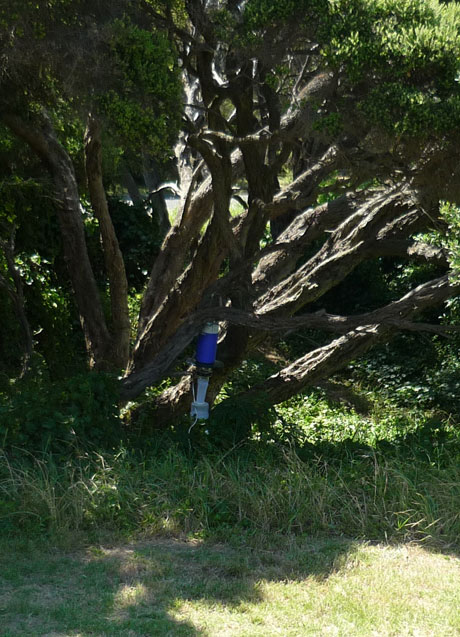
The light traps are set up overnight at specific sites and collected the following morning.
Trapped mosquitos are counted, and species identification is then carried out. Different species breed in different types of water. Identification of saltwater or freshwater mosquitoes gives us an indication of where they may be breeding.
During summer, some trapped adult mosquitoes will also have viral testing completed, which allows both the City and state agencies to understand whether mosquito borne viruses are moving into the region and what the best methods are to reduce disease transmission to the community.
Light traps are used for surveillance purposes to provide an indication of mosquito numbers. They are not intended to reduce the overall mosquito population.
If you see a trap set up in the field, please leave it alone!
Common Questions
There are some simple things you can do to avoid mosquito bites:
- Wear light coloured, loose fitting clothes that cover your arms and legs. Mosquitoes are attracted to dark colours
- Use effective mosquito repellents, those containing DEET and picaridin are most effective. Always follow label instructions when applying repellents
- Limit outdoor activity if mosquito levels are high, especially at dawn and dusk when mosquitoes are most active
- Use ‘knockdown’ sprays in outdoor areas
- Ensure windows and doors are fitted with flywire screens
Visit the Better Health Channel for more information.
Creams and gels with the active ingredients N,N-Diethyl-m-toluamide (DEET, or diethyltoluamide) or picaridin provide the best protection against mosquito bites.
Most products provide protection for between one and three hours. Follow the label instructions when applying any repellent.
If you swim or sweat profusely, protection will be less and you may need to re-apply.
Visit the Better Health Channel or the Royal Children's Hospital for more information about mosquito repellent use.
Page last updated: