As well as the extensive community engagement process, this plan has been shaped by a number of other factors, including our guiding principles, current challenges and constraints, risk management and best practice rabbit control.
RCP - What shaped this plan
Guiding principles
When addressing rabbit control challenges across the municipality, we will:
| Principle | Our commitment |
|---|---|
| Commit | We are committed to providing adequate, long-term resourcing to achieve effective rabbit control on City-managed land and support landowners and community groups to control rabbits on private land. This commitment is born of:
|
| Prioritise and deliver | We’ll evaluate and rank management zones and specific sites each year to identify the priority areas. We’ll prioritise rabbit control in areas where there is existing community action, significant rabbit impacts, high-value biodiversity and/or other community assets present. We’ll deliver effective rabbit control by utilising a range of control techniques (dependant on site constraints) to maximise our long-term successes. To be industry leaders, we’ll apply and adapt best practice rabbit management and trial new techniques. |
| Mitigate and evaluate | We’ll mitigate risks to the public, cultural heritage, wildlife and native vegetation by systematically identifying hazards and applying controls on a site-by-site basis. We will implement our risk management system to identify and address risks associated with all rabbit control tasks. We will identify and prioritise the most effective techniques, within the constraints of each site. If site constraints prevent the use of a particular control technique, then we’ll commit to applying alternative techniques or innovative solutions rather than allowing the problem to get worse. We’ll monitor results and measure successes to better understand the effectiveness of the program. We’ll adapt the program and refine processes to increase program effectiveness and efficiency. We’ll seek to apply monitoring techniques that enable us to measure improvements to assets and not rely entirely on rabbit counts as an indicator of success. |
| Collaborate and empower | We’ll establish new and foster existing relationships with land management partners and government agencies. We’ll collaborate with other land managers and the community to achieve greater value for investment. We’ll also continue to seek advice from industry experts and rabbit action networks. As collaboration is a critical component of an effective, long-term rabbit control program, this will be our focus. Effective collaboration will also build trust and improve relationships with stakeholders and the community. We’ll support and empower community groups and rural landowners to undertake effective rabbit control. |
| Communicate and engage | We’ll communicate plans, experiences, learnings and results with stakeholders and the community. Our messages will focus on how and why effective rabbit control benefits the community. We’ll listen to the community about where and how rabbits are impacting them. We’ll also celebrate our successes with them. We’ll create resources to engage with and educate the community about the impacts of rabbits and the importance of employing an integrated control program when managing rabbits on their property. We’ll empower community groups and landowners to effectively control rabbits on a landscape wide by running training and incentive programs and encouraging a coordinated approach. |
Key rabbit control considerations
Rabbits populations benefit from:
- land managers with a poor understanding of rabbit biology and ecology in the local environment
- landscapes with abundant spiny woody weeds, such as gorse and boxthorn, and other surface harbour
- well-established warren systems
- poorly-planned, small-scale and disconnected control programs
- short-term program funding commitments and
- a lack of commitment to creating a sustainable, long-term change in the landscape.
Conversely, research in Victoria has shown that well-run and coordinated control programs – including broad-scale warren ripping – were able to reduce rabbit populations by 80–97 percent.
These rabbit numbers were also maintained at these low levels for 20 years (Bloomfield T 2018a, McPhee and Butler 2010., Forsyth et al., 2016).
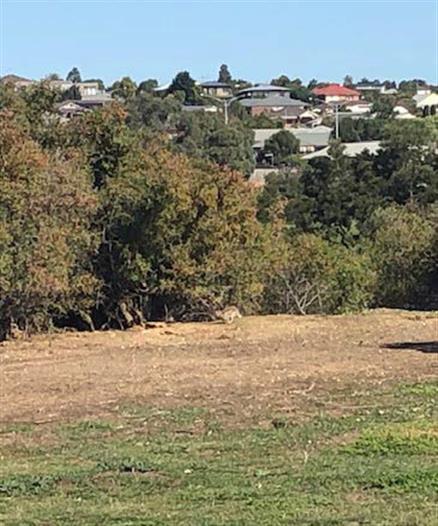
Figure 10: Rabbits dictate what species of vegetation survives and regenerates – only boxthorn and blanket weed are thriving at the location above.
Rabbit control constraints
Rabbit control activities on City-managed land are always going to be constrained by a range of factors, as described below in Table 2.
Table 2: Rabbit control constraints
| Constraint | Description | Legislation |
|---|---|---|
| Community perception / understanding | There are some in the community who are against lethal means of controlling rabbits such as baiting. At this point in time lethal control methods are the only practical means for managing rabbits and baiting is recommended as an essential part of an integrated control program. Our long-term objective is to use baits less as warrens systems are treated and rabbits are not able to quickly repopulate our reserves. We choose to use Pindone when baiting rabbits as it has an antidote, requires multiple doses to be lethal and is slow acting so most rabbits die below ground. We use Pindone in accordance with the product label and have developed a risk management process to ensure we mitigate risks to people, domestic animals and wildlife. | Prevention of Cruelty to Animals Act 1986 Wildlife Act 1975 |
| Cultural heritage | Many of our reserves are within, or close to, areas of Aboriginal cultural heritage significance. To avoid damaging these sites, we need to be cautious about carrying out rabbit removal works that will impact the soil, such as warren ripping. We work with Traditional Owners to achieve effective rabbit control in areas of cultural significance. | Aboriginal Heritage Act 2006 |
| Increasing resistance to biocontrol agents | Releasing biocontrol agents can achieve short-term reductions in rabbit numbers over large geographical areas. However, in rabbit populations, rapid rates of reproduction allow resistant genes to quickly build up, so that numbers can replenish. Therefore, while they are important, biocontrol agents can only have a limited role in minimising rabbits. | |
| Lack of coordinated action | Areas treated for rabbits can quickly be reinfested by rabbits from untreated areas. It is therefore essential that neighbours work together and coordinate their actions. | |
| Native vegetation as harbour for rabbits | Rabbit warrens are sometimes located beneath native vegetation. As native vegetation is protected in Victoria, planning processes will be followed prior to undertaking warren removal works. Our priority is always to avoid or minimise impacts to native vegetation, and any native vegetation removed will be recorded. We will aim to restore any native vegetation impacted by rabbit control activities. | Planning and Environment Act 1987 Environment Protection and Biodiversity Conservation Act 1999 Flora and Fauna Guarantee Act 1988 |
| Wildlife and pets | We perform rabbit control to protect and enhance the habitat available for native wildlife. Our rabbit control programs are performed in accordance with best practice guidelines from the relevant authorities. | Wildlife Act 1975 |
| Roadsides | Local governments have only recently become legally responsible for managing noxious weeds and pest animals on roadsides. Without ongoing rabbit control, these roadsides have consequently come to support large infestations. | Catchment and Land Protection Act 1994 Road Management Act 2004 |
| Weed harbour | Rabbits often dig warrens beneath weeds that offer protection from predators, such as African boxthorn or gorse. Weed harbour must be removed for warrens to be effectively treated. | Catchment and Land Protection Act 1994 |
| Risk management | There are a range of risks associated with undertaking rabbit control on our reserves. These include occupational health and safety risks in relation to working with chemicals and machinery. Controls are put in place that effectively mitigate these risks prior to works commencing at a site. | Occupational Health and Safety Act 2004 Agricultural and Veterinary Chemicals Code Act 1994 Agricultural and Veterinary Chemicals (Control of Use) Act 1992 |
| Underground services | Buried pipes or cables are often located within roadsides or reserves so a "Dial Before You Dig" enquiry is required prior to the treatment of warrens. No ripping or implosion is permitted within the vicinity of these services. |
Managing risk
In all rabbit control activities, we aim to identify processes and control measures well before we start work. Our goal is to be a leader when it comes to managing safety and risk.
We will continue to address risks by applying a variety of risk management tools, including:
- risk registers
- risk assessments
- site hazard identifications
- risk management plans and hazard maps
- safe work method statements
- safe operating procedures and
- contractor safety checklists.
Our pindone baiting program includes the following mitigation measures:
- fence off baiting areas or close reserves.
- warning signs
- daily removal of uneaten baits and rabbit carcasses.
- mail out to neighbouring properties.
- remind local veterinary clinics to have Vitamin K1 (pindone antidote) in stock.
- monitoring for and testing of deceased wildlife.
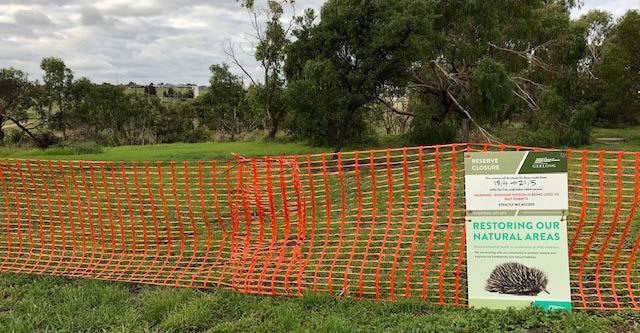
Figure 11: Pindone baiting location 2020.
Page last updated: