Geelong's rich heritage is deeply rooted in its diverse industrial and manufacturing history, highlighted by iconic locations like the Cheetham Salt Works, Corio Distillery, and the expansive Ford Motor Company complex.
Heritage Trail
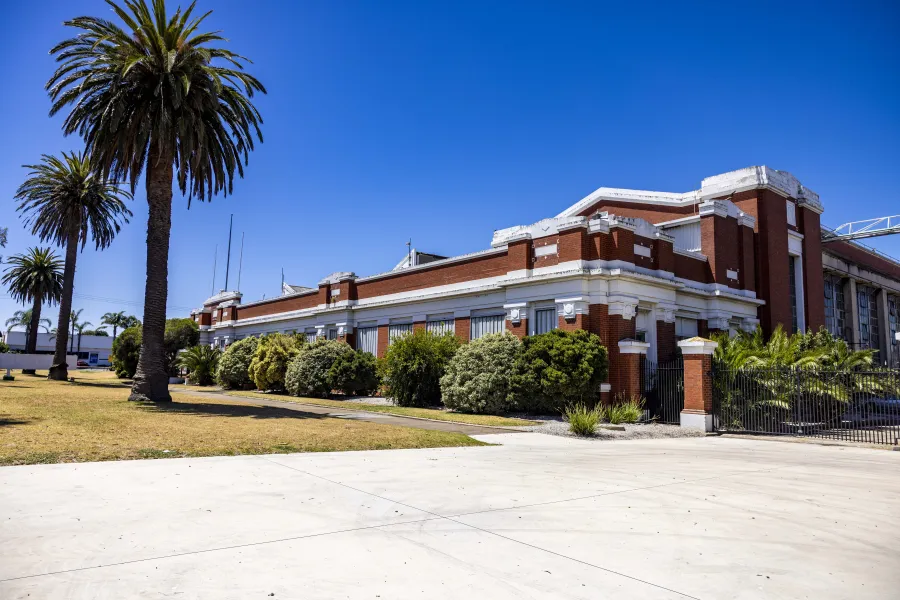
The city's rapid growth over the decades is further reflected in its remarkable historical infrastructure, featuring everything from intricate railway networks and maritime piers to innovative engineering feats like the Moorabool Viaduct and historic bluestone bridges. Today, many of these formidable structures have been preserved or cleverly revitalized - such as the transformation of the Federal Mills into a thriving innovation precinct - serving as enduring, interactive monuments to Geelong's industrious past.
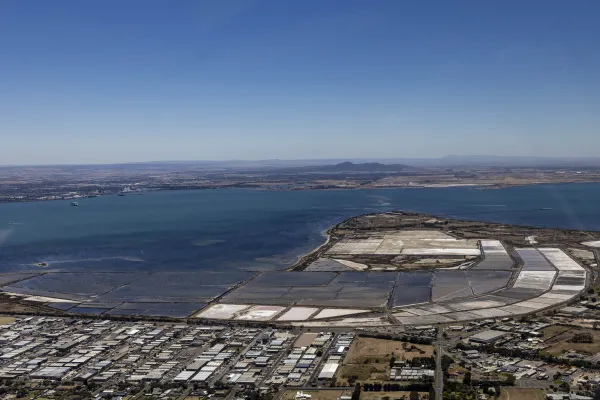
Cheetham Salt Works
Richard Cheetham (a manufacturing chemist from Manchester, UK) arrived in Victoria to establish a salt works, 1862.
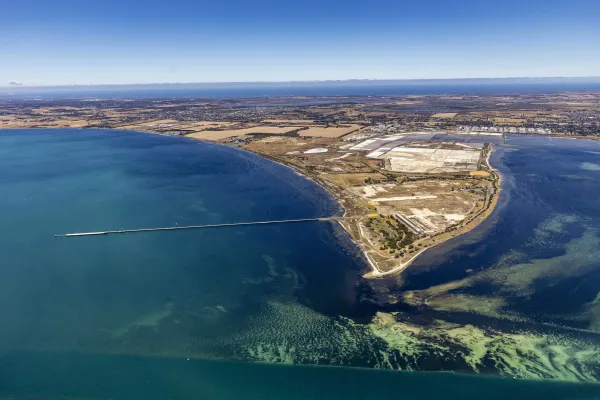
Point Henry Smelter
Construction of the smelter at Point Henry commenced in 1960 by the Cavalier Construction Company.
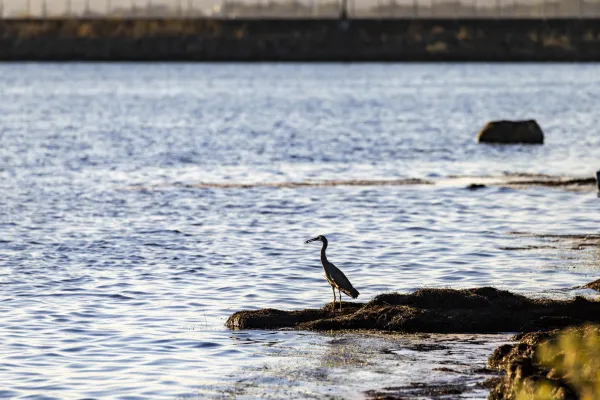
Point Henry Pier
Point Henry Pier opened in 1963. Before initial settlement of Geelong, a sandbar across the bay from Point Lillias to Point Henry prevented ships from entering the inner harbour.
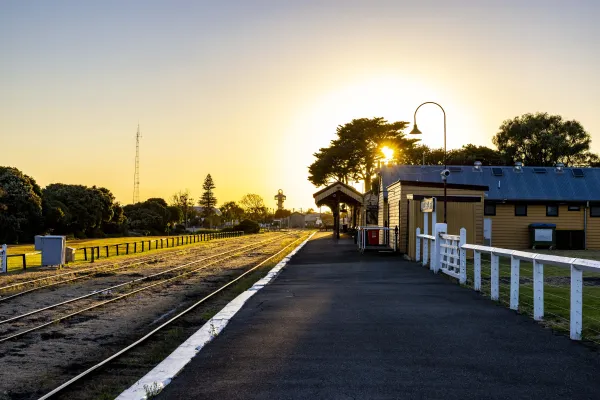
Geelong-Queenscliff Rail
The Queenscliff line opened in 1879, branching from the Southwestern line at South Geelong.It was among the first branch lines to be built in the state of Victoria.
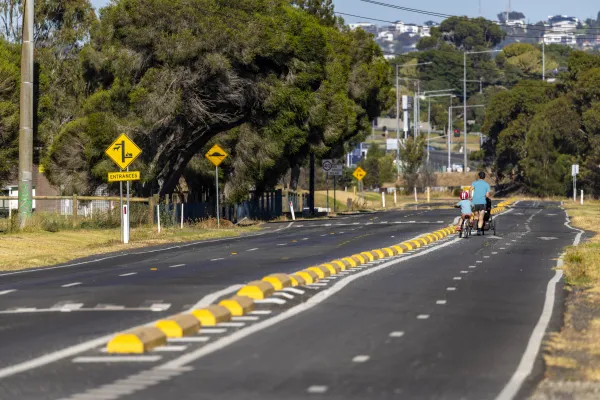
Breakwater across the Barwon River
The "Breakwater" is located in the current Geelong suburb of the same name.
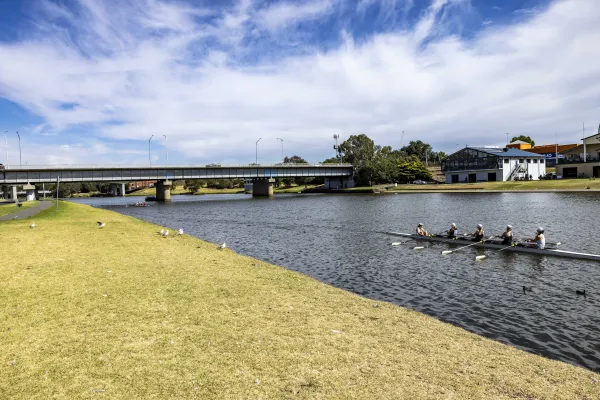
Moorabool Street Bridge
The four lane Barwon Bridge carries Moorabool Street over the river and is located on the site of the first Barwon crossing. The first wooden bridge opened early in 1848.
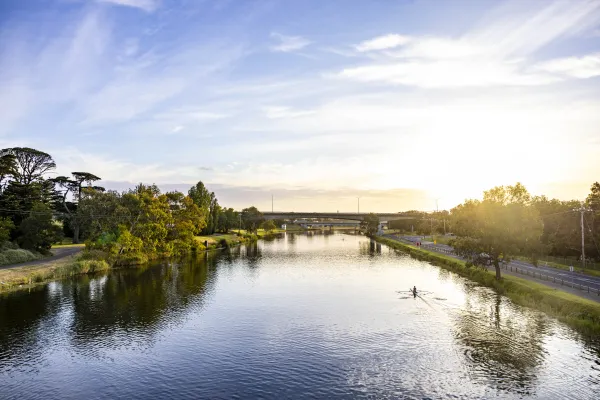
James Harrison Bridge
The four lane James Harrison Bridge carries the Princess Highway through Geelong.
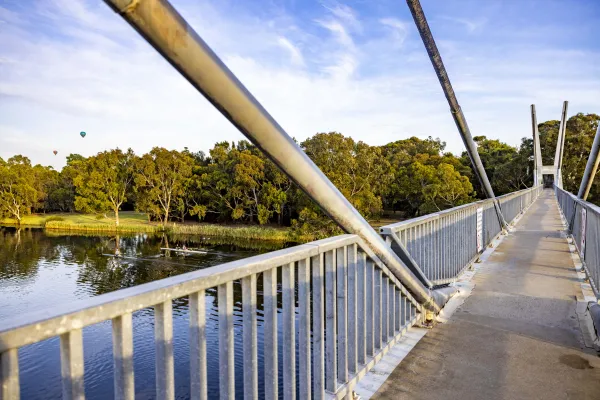
McIntyre Bridge
The 192-metre-long McIntyre Bridge is located to the east of the James Harrison Bridge and has a concrete walkway and pipe supported with steel cable stays.
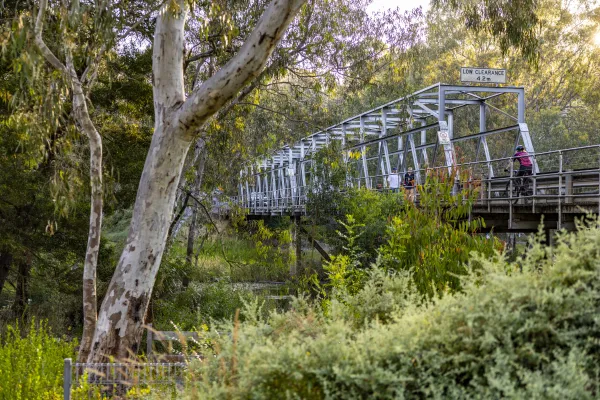
Queens Park Bridge
The one lane Queens Park Bridge links Highton and Newtown. The site was originally a punt.
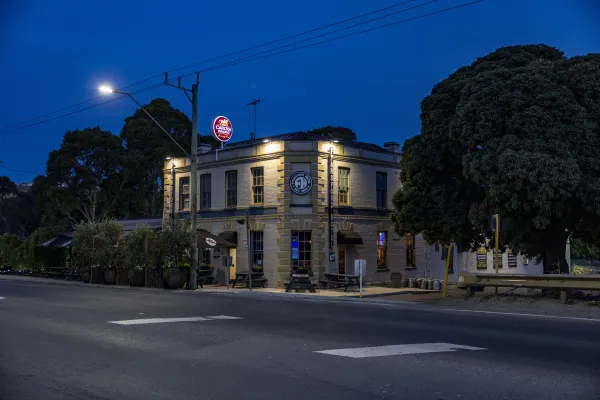
Fyansford Hotel
The Fyansford Hotel, near the junction of the Barwon and Moorabool Rivers, marks one of the oldest river crossing places in Western Victoria and the site of the once active Fyans Town.
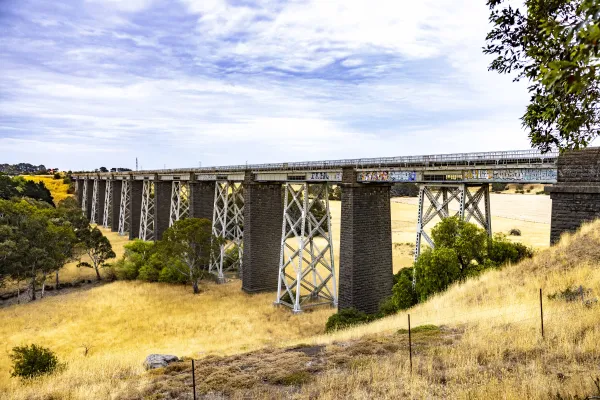
Moorabool Viaduct
The 440-metre (1,440 ft) long bluestone and iron Moorabool Viaduct was opened in 1862 to carry the Geelong-Ballarat railway over the river valley.
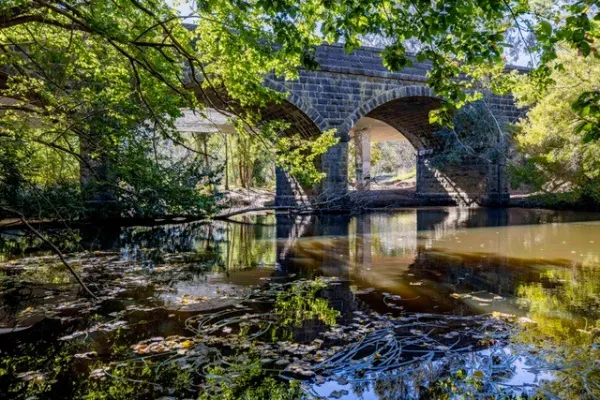
Bluestone Bridge
The five span, segmental arch bridge across the Moorabool River at the ford crossing place at Batesford was erected in 1859 to replace an earlier timber structure of 1848.
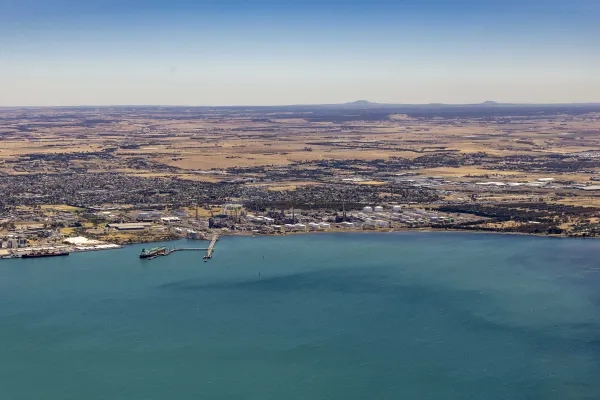
Viva Refinery (Formerly Shell)
Opened in 1954 to serve the Shell Oil Refinery, a number of sidings branch off the main line to cater for oil traffic.
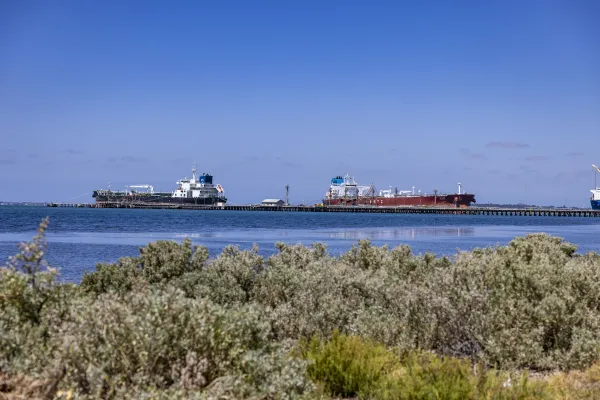
Refinery Pier
On March 18, 1954, the Geelong refinery became the first of Australia’s post war refineries to come on stream.
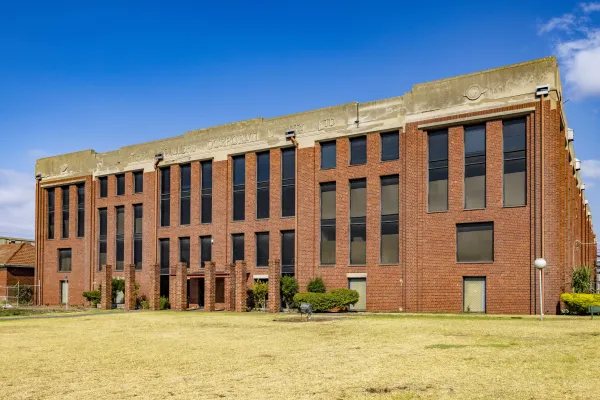
Corio Distillery
Corio Distillery was established in 1920’s by British Distillers in North Shore, not far from where the Shell Refinery stands today.
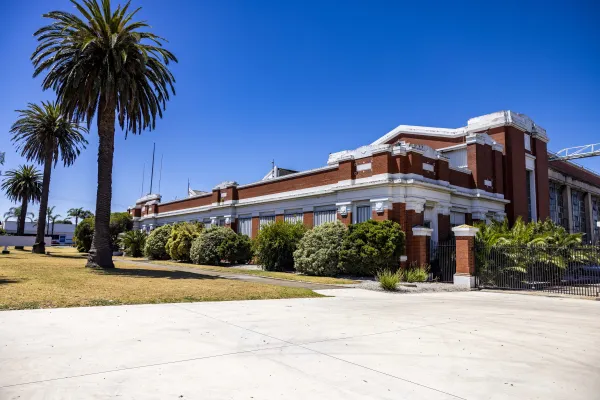
Ford Motor Company
The Ford Motor Company complex on the Melbourne Road at North Geelong is aesthetically significant at a national level.
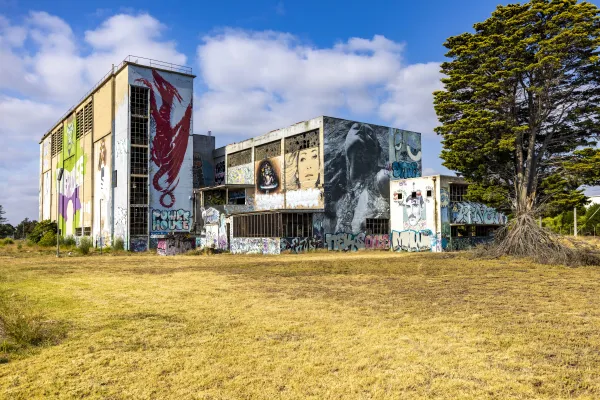
Geelong B Power Station
The largest power station in Victoria outside the Latrobe Valley, being officially opened in 1954 by Honourable J.W. Galbally.
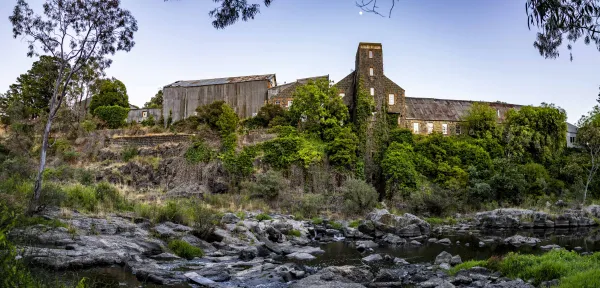
Paper Mills - Fyansford
The Fyansford Paper Mill's Heritage Victoria listing underlines its importance.
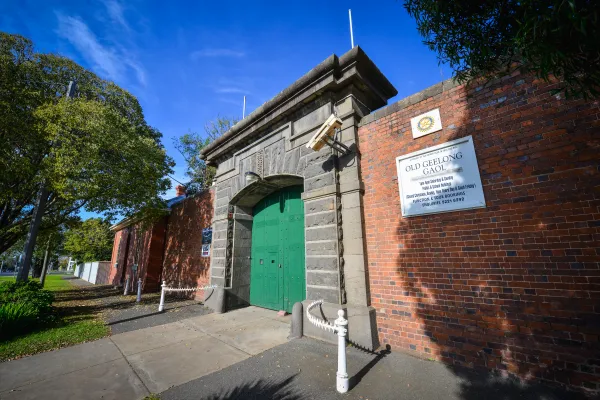
Geelong Gaol Museum
Constructed between 1849 and 1864, Geelong Gaol is now a tourist icon operated by The Rotary Club of Geelong.
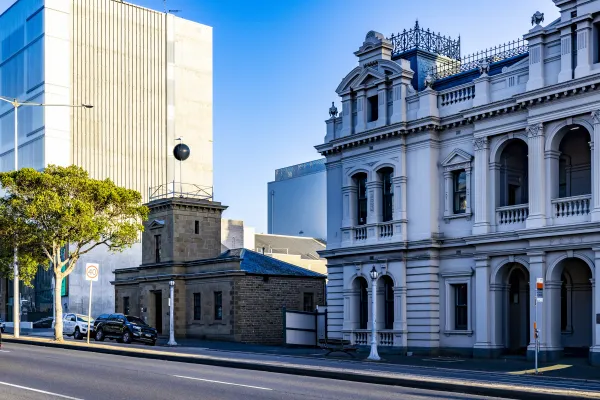
Geelong Telegraph Station
Geelong Telegraph Station was built in 1857-8 following the establishment of a telegraph line between Melbourne and Geelong and was the centre of communications in the district.
Page last updated: