Image
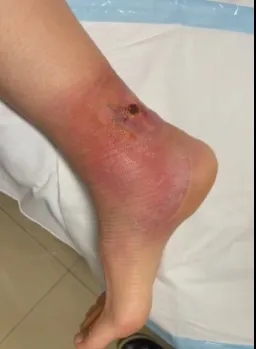
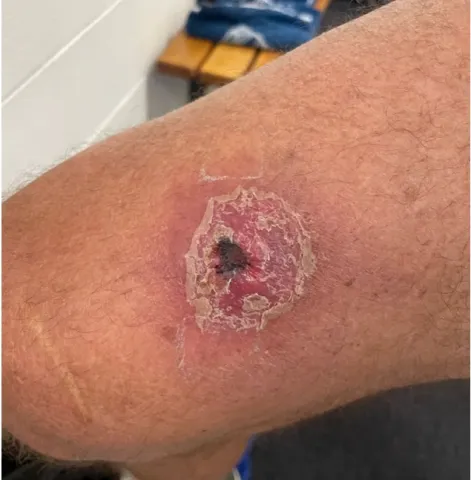
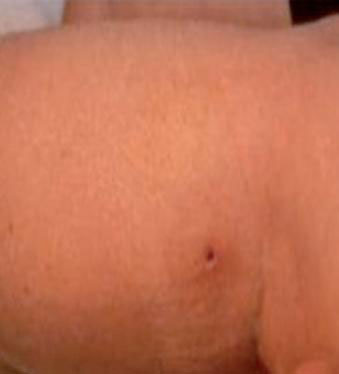
The infection usually begins as a painless spot or pimple which slowly grows bigger and forms an ulcer. Sometimes it presents only as a lump or swelling without a noticeable centre. The infection may occur anywhere on the body, but is often found on exposed skin, such as the hands, feet, arms, legs and ears.
It is common to mistake early symptoms of the infection for a spider bite and may be itchy
The route of transmission is not fully understood. The bacteria have been detected in wildlife including possums and koalas, in mosquitoes and aquatic insects and in soil samples.
There is increasing evidence from local research that mosquitos and possums play a key role in transmission in Victoria however it is not yet known exactly how humans become infected.
It can take between 2-6 months for the symptoms to develop.
The Victorian Government is researching Mycobacterium ulcerans with the Beating Buruli in Victoria project.
There are some steps you can take to reduce your risk. When outdoors or working in the garden:
If you are concerned you should seek medical advice, but especially when:
Early diagnosis and prompt treatment can reduce the risk of severe disease.
These images are provided by Professor Paul Johnson, author of Buruli ulcer in Australia. Please be aware they are graphic in nature.
These images are provided by Professor Paul Johnson, author of Buruli ulcer in Australia.
Please be aware they are graphic in nature.
The cause of infection in humans is not known. As the bacterium is found in the environment, it is recommended to protect yourself from potential sources of infection such as soil and insect bites.
A research study on mosquitoes trapped in the Point Lonsdale area has shown a small percentage of them to be contaminated with the same bacteria that causes Bairnsdale ulcer. Tests on vegetation and excreta from some native mammals have also shown to be positive to the bacteria in areas where the ulcer is endemic.
View the Better Health Channel website for more information.